

Making an ideal environment for marijuana expansion involves best vpd for flowering over a few crucial factors. Whether you're growing indoors or in a greenhouse, understanding these climate needs can make the big difference between an average crop and exemplary yields.
Heat Management
Cannabis crops succeed within certain temperature ranges that range by development stage. Through the vegetative stage, keep daytime temperatures between 70-85°F (21-29°C) and nighttime conditions around 65-75°F (18-24°C). This temperature differential encourages healthy development and stops stress.
During flowering, slightly cooler situations work best. Keep day temperatures between 65-80°F (18-26°C) and evening temperatures around 60-70°F (15-21°C). That colder atmosphere assists maintain terpenes and prevents heat tension that may damage building buds.
Monitor heat changes carefully. Sudden improvements may distress plants and minimize overall productivity. Use thermostats, supporters, and heating methods to maintain consistent conditions throughout your growing space.
Moisture Get a grip on
Relative humidity plays an essential position in avoiding shape and form while promoting healthy plant development. Small seedlings require larger humidity degrees about 65-70% to guide their fine origin techniques and promote quick growth.
As plants mature in to the vegetative stage, gradually lower humidity to 40-70%. That selection gives enough moisture for vigorous growth while lowering the danger of fungal conditions that may devastate entire crops.
During flowering, decrease moisture degrees become essential. Maintain 40-50% general humidity to prevent pot rot and other moisture-related problems. Thick bloom clusters develop microclimates that lure humidity, making correct ventilation critical during this phase.
Air Flow and Ventilation
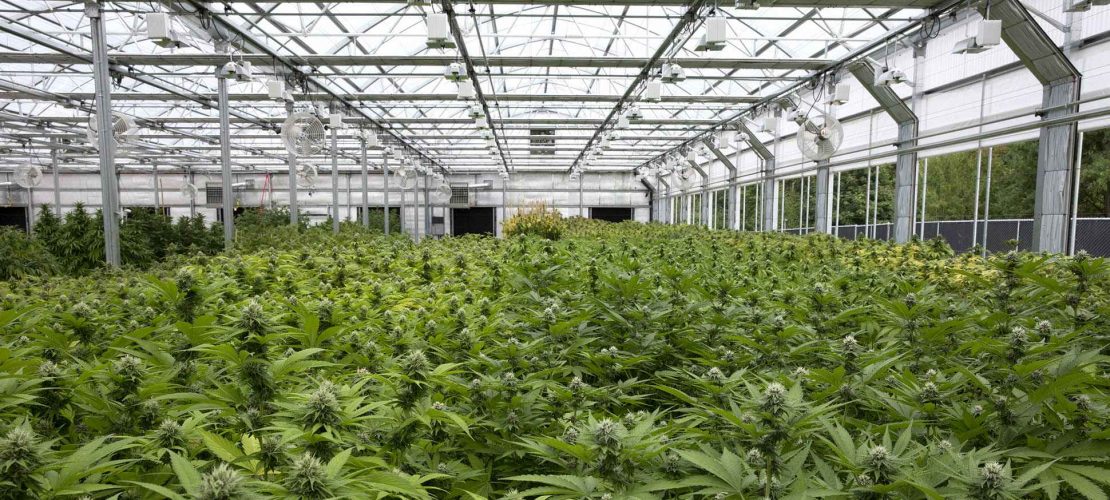
Proper ventilation strengthens place stems, prevents stagnant air pockets, and keeps consistent environmental problems through your rising space. Mount fatigue supporters to remove hot, humid air and absorption fans to bring in fresh, great air.
Position oscillating supporters to produce soft air motion throughout the seed canopy. This circulation mimics organic wind patterns and helps in avoiding pest infestations while strengthening plant structure.
Assess your ventilation wants centered on room measurement and heat sources. A good principle involves entirely exchanging the air in your growing space every 3-5 moments throughout maximum growing periods.
Tracking and Modifications
Invest in quality checking gear to monitor heat, humidity, and air flow patterns. Electronic sensors with rural tracking functions enable you to produce modifications even though far from your rising area.
Keep step by step files of environmental conditions and place responses. That knowledge helps identify optimum adjustments for your particular startup and strain requirements.
Periodic Factors
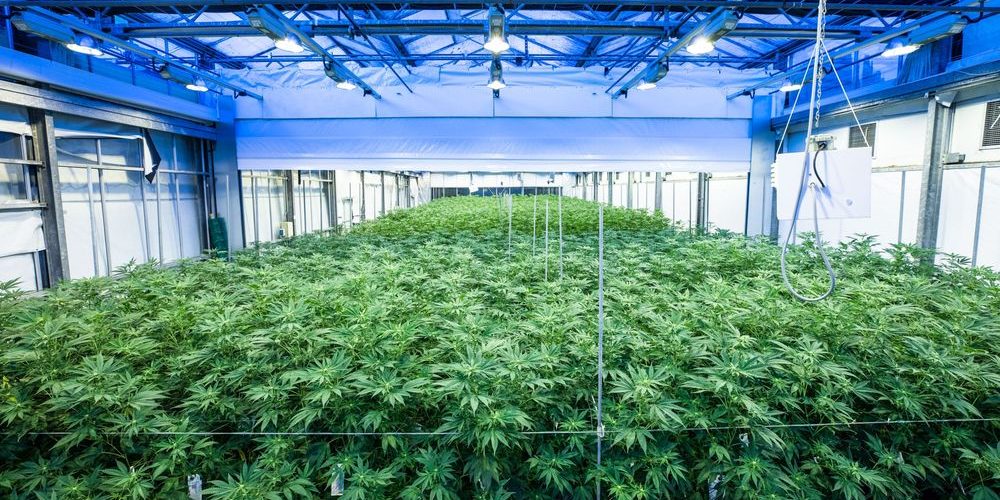
Outside growers should use organic weather patterns while interior growers may maintain year-round consistency. Contemplate periodic energy fees, local climate patterns, and legitimate growing windows when preparing your cultivation schedule.
Reaching optimum climate conditions needs attention to aspect, quality gear, and regular monitoring. These opportunities in correct environmental get a grip on can prize you with healthy plants, higher produces, and higher quality harvests.